




How to Document Mold Problems in a Rental for Court
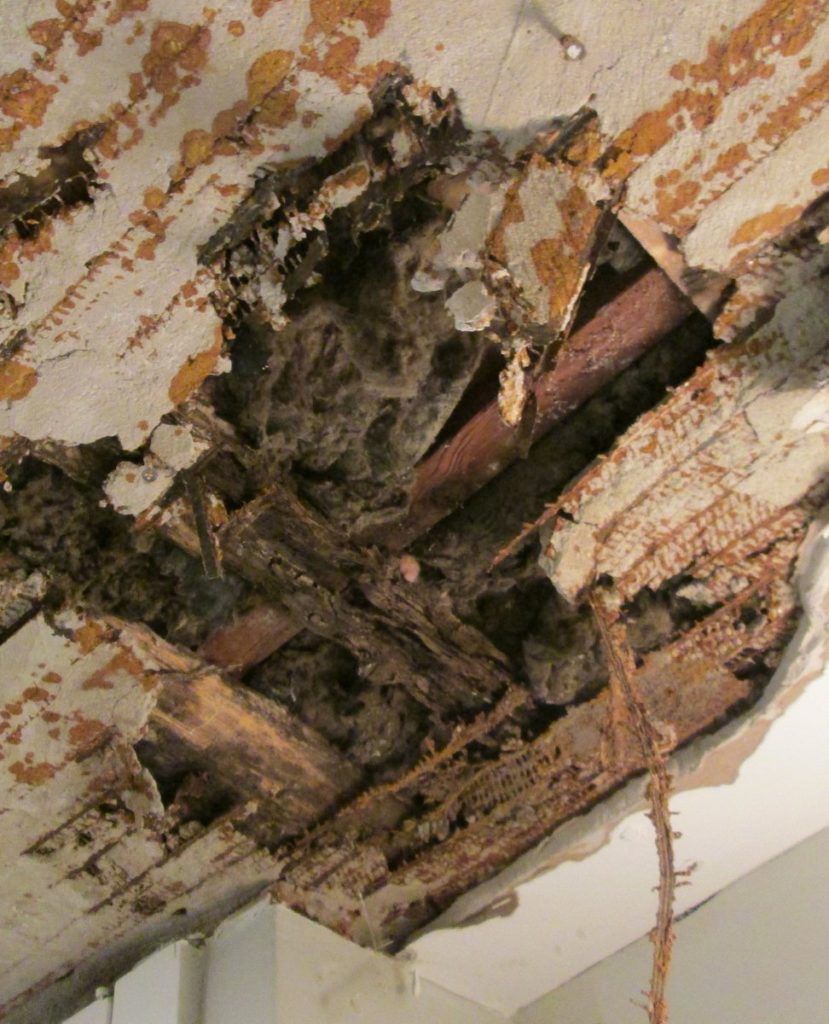 When you’re living with mold in a rental, and your landlord won’t take action, it can feel like you’re stuck in a toxic environment with no way out. If the issue isn’t resolved through complaints or housing inspections, the next step may be legal action. But to stand a chance in court, you’ll need clear, organized documentation proving that mold is present, that you’ve reported it, and that it’s affecting your health or safety.
Real example: A tenant contacted us after months of visible mold and severe health symptoms in a rental unit. Despite repeated reports and an order from the Board of Health, her landlord delayed remediation. She needed professional testing and documentation to support her case in housing court—and protect her health moving forward.
Why Proper Documentation Is Crucial in Mold Cases
Mold disputes often become a matter of “your word against theirs,” especially when landlords attempt to downplay or cover up the issue. Solid documentation shifts the balance by providing:
- Objective evidence of mold presence
- A paper trail of tenant-landlord communication
- Proof of negligence, if the landlord fails to act
- Support for rent withholding, lease termination, or damages
Courts and housing authorities rely on documentation—not assumptions—so the more thorough you are, the stronger your case becomes.
Step-by-Step Guide to Documenting Mold in a Rental
1. Take Detailed Photos and Videos
Capture all visible signs of mold and water damage:
- Discoloration on walls, ceilings, or floors
- Peeling paint, sagging drywall, or warped baseboards
- Mold around HVAC vents, windows, or plumbing fixtures
Tip: Use a timestamp feature or note the date in each file name. Return to the same areas over time to show worsening conditions.
2. Keep a Mold Symptom and Odor Log
Track how the issue affects your health and daily life:
- Describe odors (e.g., “musty smell strongest in the morning”)
- List symptoms (coughing, wheezing, fatigue, headaches)
- Note when symptoms improve (e.g., when away from the apartment)
This can help show a direct link between the property and your symptoms.
3. Save All Communications With the Landlord
Include:
- Emails or texts reporting the issue
- Any responses (or lack thereof) from your landlord
- Voicemails or letters requesting repairs or inspections
- Screenshots if you use an online tenant portal
If the landlord dismisses the issue, delays repairs, or claims to have fixed the problem when they haven’t, that becomes important evidence.
4. Obtain a Professional Mold Inspection Report
A certified mold inspection is one of the most powerful tools in your case. At Aspen Air Duct Cleaning, our inspections include:
- Visual assessment of the affected areas
- Moisture readings to identify the source of mold
- Air and surface samples analyzed by a certified lab
- A written report with photos, lab results, and remediation recommendations
This kind of third-party documentation is often accepted by housing courts, tenant advocacy groups, and public health agencies.
5. Request a Copy of Any Health Department Reports
If your city or town’s Board of Health has inspected the property:
- Ask for a written report, violation notice, or correction order
- Follow up on deadlines your landlord may have missed
- Keep a copy of any citations issued
Health department involvement can demonstrate the landlord was given an opportunity to fix the issue—and failed.
What If the Mold Isn’t Visible?
Q: How can I document mold I can’t see?
You can still build a strong case using:
- Air quality testing by a certified professional
- Moisture readings showing damp conditions
- Photos of recurring leaks or water damage
- Medical records showing mold-related symptoms
Hidden mold is common in walls, ceilings, HVAC systems, and behind cabinetry.
What Kind of Documentation Helps in Court?
Here’s what to include in your evidence packet:
|
Type of Evidence |
Examples |
|
Visual proof |
Photos/videos with dates and location details |
|
Written records |
Emails, texts, letters to and from the landlord |
|
Inspection reports |
Mold testing or health department findings |
|
Medical documentation |
Doctor’s notes connecting symptoms to the environment |
|
Symptom logs |
Dates, times, and details of how you’re affected |
|
Receipts |
Any purchases related to remediation or repairs |
Do You Need Legal Representation?
You don’t need a lawyer to go to housing court, but legal aid is highly recommended. Many cities offer:
- Free tenant advocacy groups
- Legal aid societies for housing cases
- Tenant hotlines or renters’ clinics
Bringing well-organized documentation makes it easier for legal advocates to assist—and harder for landlords to deflect responsibility.
How We Help Tenants at Aspen Air Duct Cleaning
If you're struggling with mold in a rental property and your landlord refuses to take action, we can:
- Perform a certified mold inspection with lab analysis
- Provide written reports accepted by housing authorities
- Offer expert insight into what’s needed to restore safe conditions
- Coordinate with legal advocates or city officials when needed
Protect Your Health with Certified Mold Inspection in Boston, MA & Nearby Areas
You shouldn’t have to live in unsafe conditions - especially when your health is at risk. At Aspen Air Duct Cleaning, we help tenants document mold issues professionally, respectfully, and thoroughly. If you're preparing to go to court or need to build a solid case, we’re here to support you with the facts.
Call us today to schedule a mold inspection or request a written report you can use in court.